Insulator maintenance
without the helicopter.
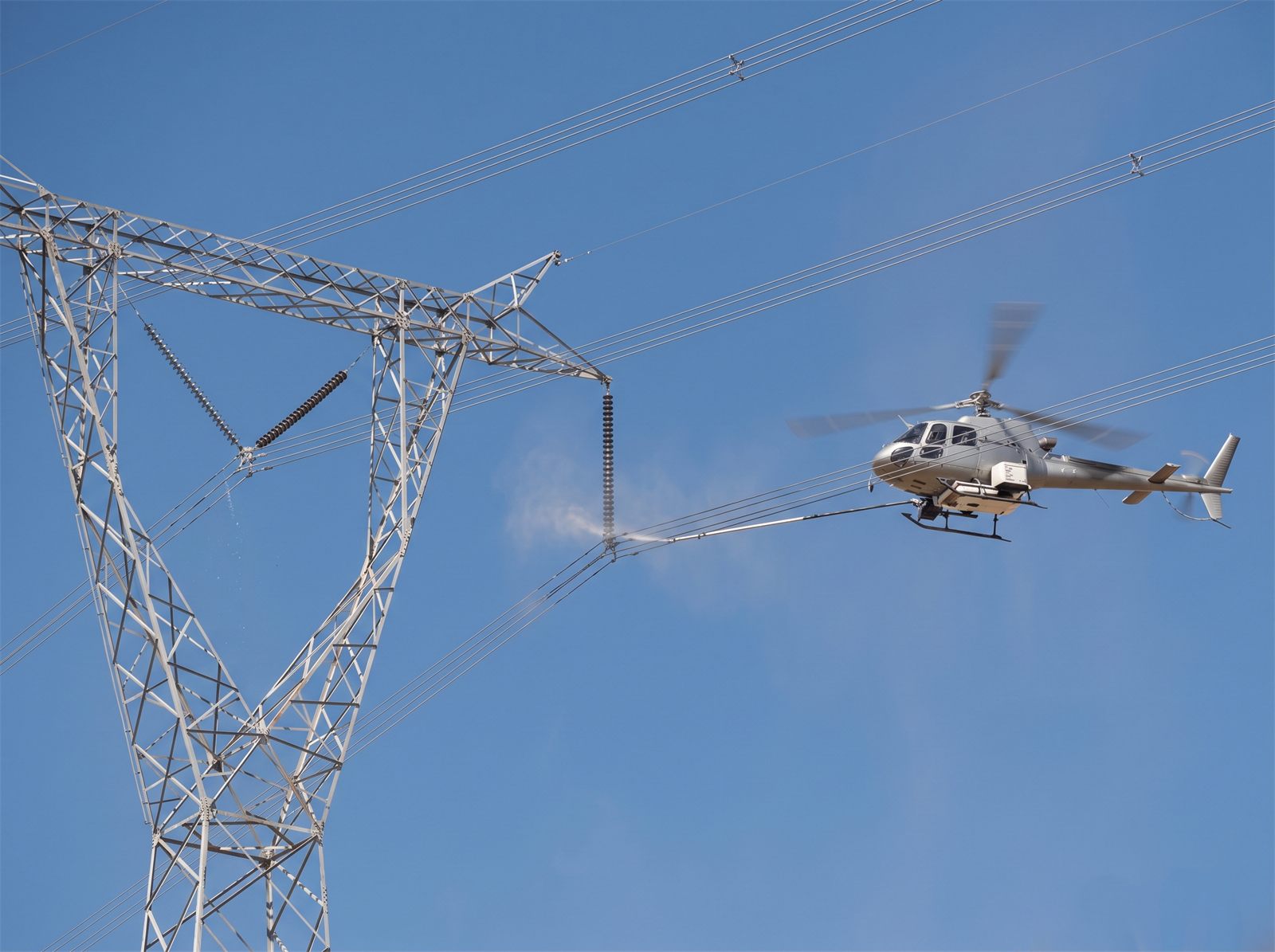
We are developing the SPD25 for insulator washing on high-voltage transmission assets, to reduce cost, take crews out of harm's way and cut the dependency on specialist aviation. Powerline operation is in development and not yet available.
A maintenance task that
never stops arriving.
Transmission insulators accumulate contamination continuously. Coastal salt, agricultural dust, and industrial fallout build on insulator surfaces until leakage current rises and flashover risk becomes material. The contamination does not pause, and neither does the maintenance obligation.
The established responses are all expensive. Helicopter-supported washing carries high hourly cost and limited weather windows. Live-line crews require specialist certification from a shrinking workforce. De-energising a circuit to work on it means taking revenue-generating transmission capacity out of service.
Every option trades cost against risk against network availability. None of them has changed materially in decades.
Built toward the
transmission problem.
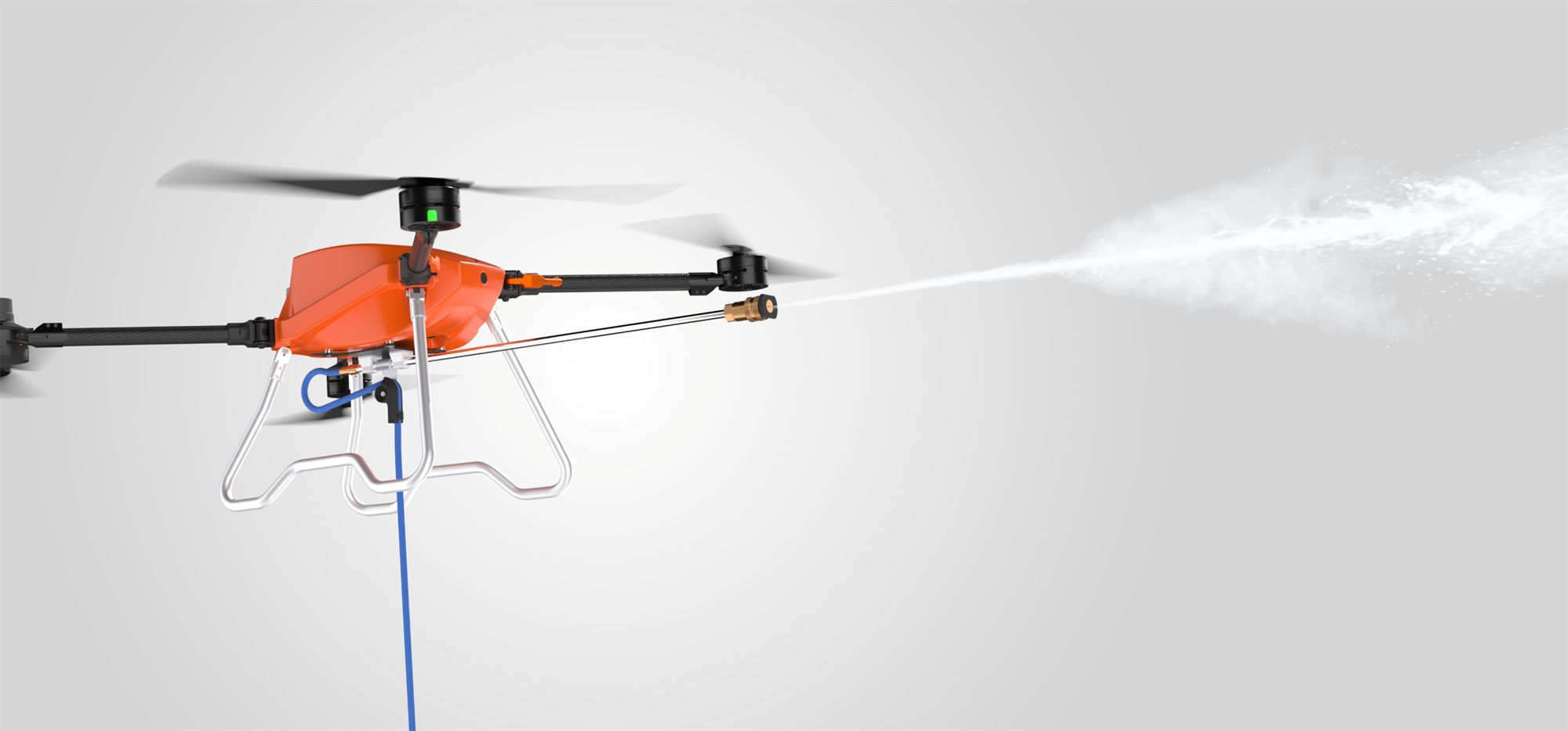
Insulator washing is the application that shaped the SPD25: heavy lift, a high-pressure spray boom and precise positioning. Work near energised conductors needs more than that, so HV clearance and electromagnetic qualification are part of our current test programme. We will only offer powerline operation once it is verified.
Three lines on the
maintenance budget.
Helicopter-supported washing carries an hourly cost that dominates the job. The aim is to take rotorcraft off the job, along with their mobilisation, positioning and standby charges.
Live-line work and helicopter operations near energised conductors represent two of the highest-consequence risk categories in network maintenance. An unmanned platform would take people out of both.
Work would no longer queue behind helicopter availability or live-line crew rosters, and a smaller ground footprint would make maintenance windows easier to fill.
Help shape it
before it ships.
Tell us about your network and how insulators are washed today.
Tower types, insulator configurations, contamination and your safety requirements, so development and testing reflect real conditions.
You'll hear first when HV testing is complete and powerline work becomes available.
Built on the
SPD25.
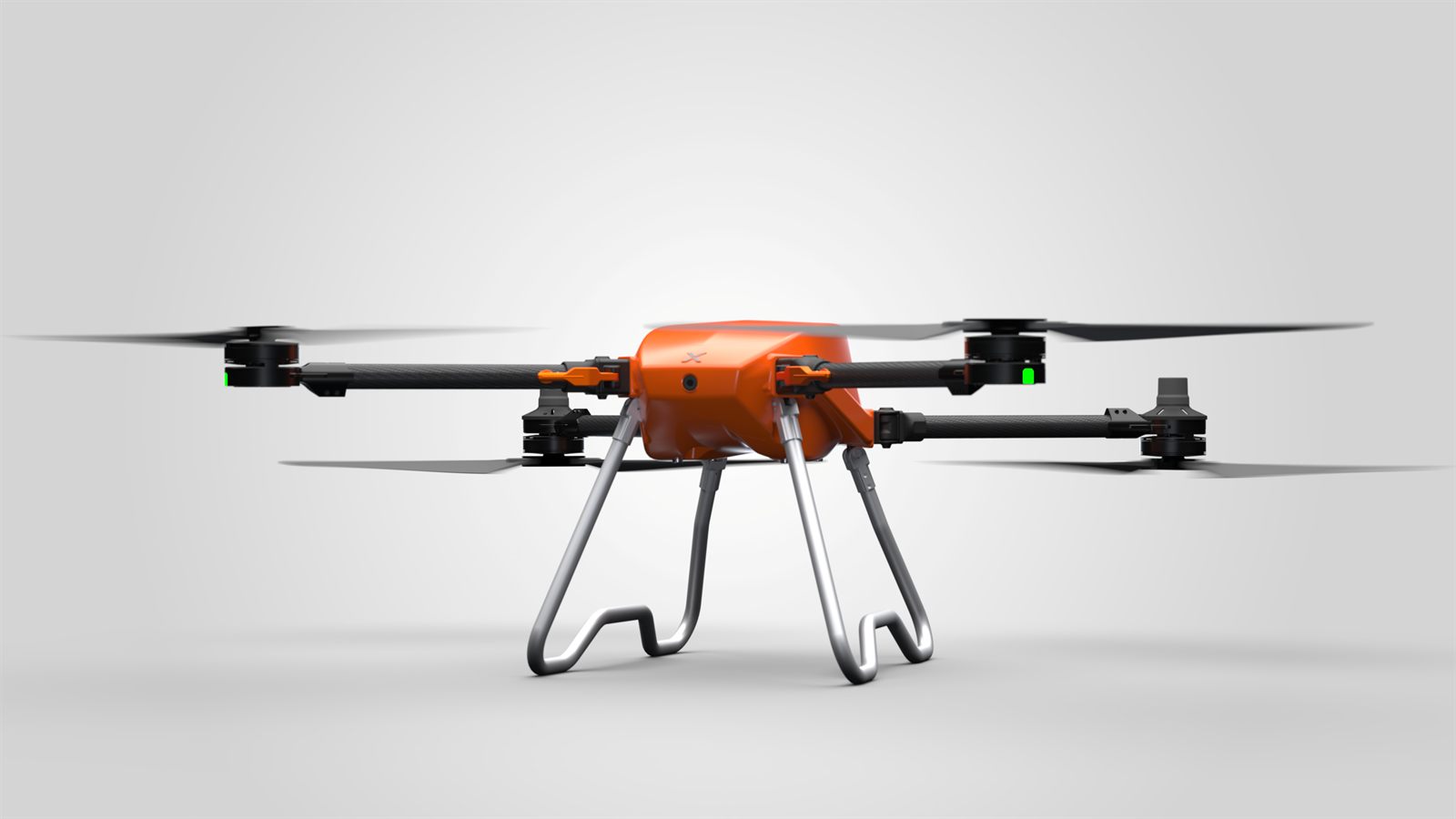
Powerline maintenance is being developed on the SPD25, a heavy-lift pressure washing drone with up to 13 kg of payload capacity and up to 50 minutes of flight time (no payload). Its spray boom pressure cleans surfaces up to 50 metres high.
Full specifications, features and payload options are on the product page.
Tell us about your circuits, your contamination profile, and your current maintenance approach. We'll give you a straight assessment of where the SPD25 fits and where it doesn't.